Entain Exposes Coordinated Illegal Betting Networks Targeting Young UK Users on Social Media
Written by Finley Becker · Jun 19, 2026
Entain Exposes Coordinated Illegal Betting Networks Targeting Young UK Users on Social Media
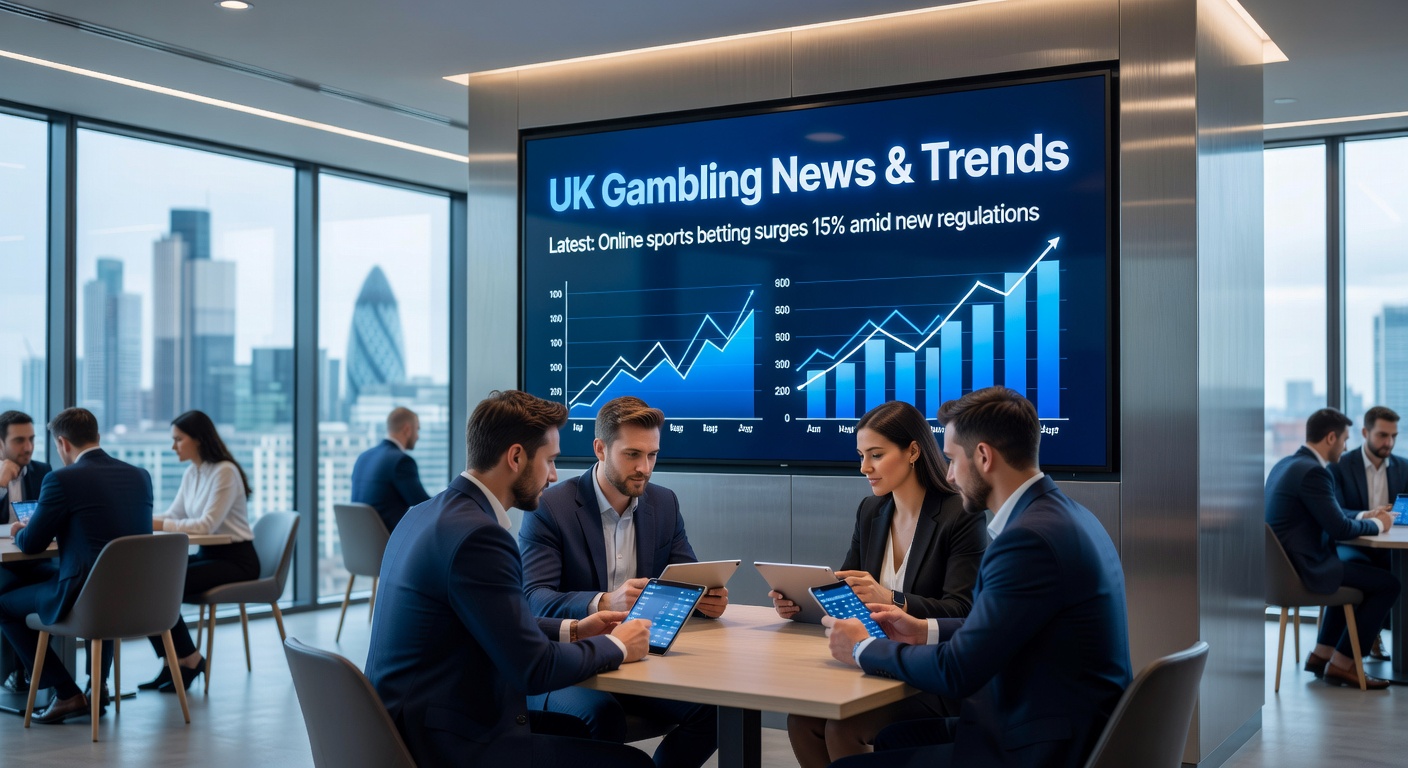
Entain, the company behind Ladbrokes and Coral, released findings in June 2026 that detail a sharp increase in illegal offshore gambling promotions appearing across UK social media channels, and those promotions often feature footballers along with AI-generated tipsters who direct content at users between the ages of 14 and 25. The report describes organized networks that operate at scale and already show signs of preparation for the 2026 Men’s World Cup, with coordinated campaigns that use targeted advertising and influencer partnerships to reach younger audiences who may not recognize the difference between licensed and unlicensed operators.
Those networks rely on multiple tactics that include fake accounts, algorithmic boosting, and content that mimics official betting services while directing traffic to offshore sites that fall outside UK regulatory oversight. Researchers at Entain tracked thousands of posts and advertisements that appeared in feeds during recent months, and the patterns indicated deliberate scaling ahead of major football events, since historical data shows betting activity rises significantly during international tournaments.
Methods Identified in the Research
Entain’s analysis found that promoters frequently use AI tools to create realistic images and videos of supposed tipsters who promise high returns on World Cup matches, and those materials often appear alongside genuine football highlights or fan discussions to increase visibility. Footballers and other sports figures appear in promotional material without clear disclosure that the content promotes unlicensed platforms, which creates confusion for younger viewers who encounter the posts while scrolling through everyday content. The networks also employ lookalike websites and cloned app interfaces that replicate familiar UK betting brands, which makes it harder for users to spot that they are being steered toward unregulated operators.
Coordinated activity shows up in clusters where multiple accounts post similar messages within short time frames, and engagement metrics suggest paid amplification rather than organic sharing. Observers note that these campaigns adapt quickly to platform policy changes, shifting from direct links to indirect calls-to-action that still funnel traffic offshore once users click through.
World Cup Connection and Timing
The 2026 Men’s World Cup serves as a focal point for the documented activity, because past tournaments have demonstrated how increased public interest in football correlates with higher volumes of gambling-related searches and social media interactions. Entain’s data indicates that preparatory campaigns have already begun seeding content that references upcoming matches and group stage fixtures, even though the event remains months away, and the early timing allows networks to build follower bases and refine targeting algorithms before peak interest arrives. Platforms have removed some accounts, yet new ones appear regularly, which suggests the operators maintain reserves of profiles ready for deployment.
Calls for Stronger Regulatory Response
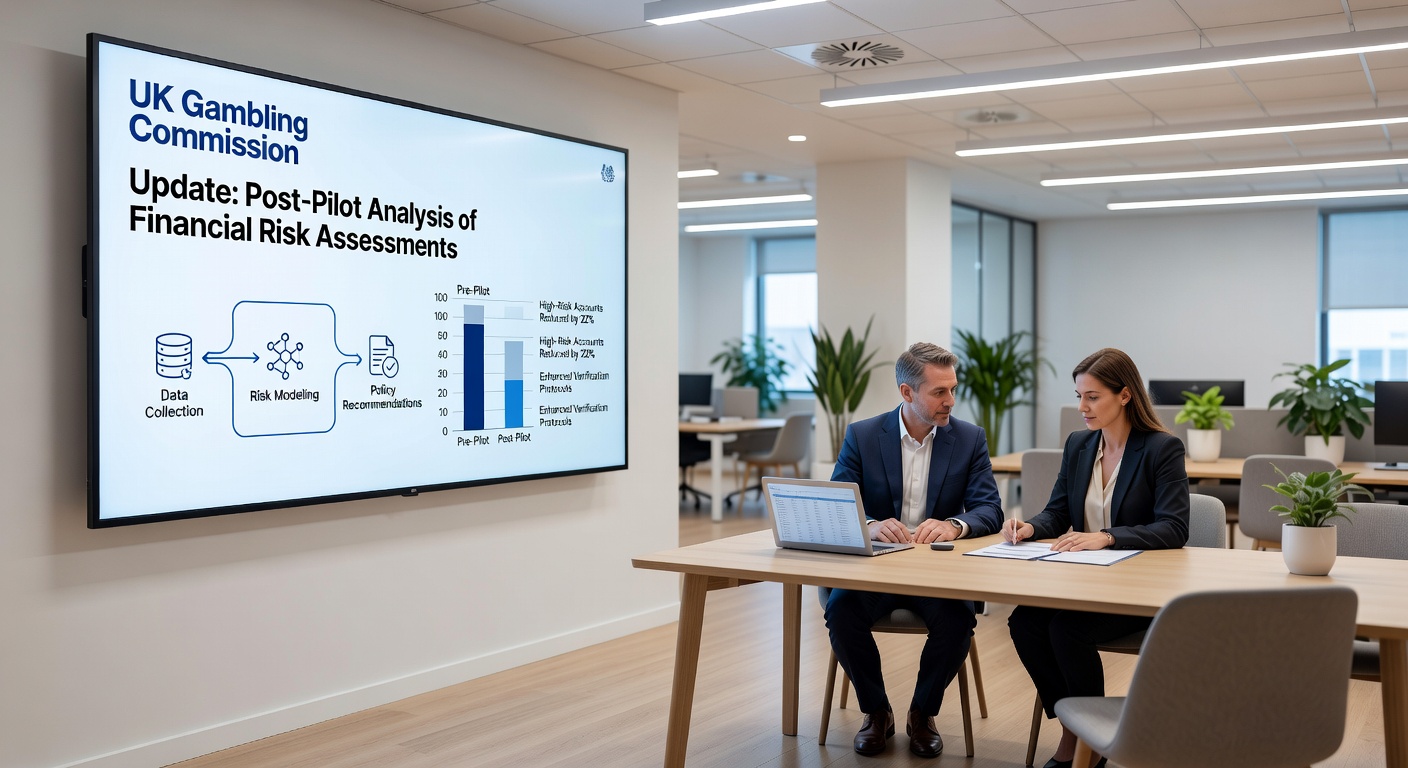
Entain has urged the UK government, regulators, and law enforcement agencies to strengthen enforcement measures against black-market operators and the social media infrastructure that supports them. The company points to gaps in cross-border cooperation that allow offshore sites to continue advertising despite existing rules, and it highlights the need for faster account takedowns along with improved detection of AI-generated promotional material. Industry bodies have echoed similar concerns in separate statements, noting that current penalties may not deter large-scale networks that view removal as a temporary cost of doing business.
Those who monitor digital advertising trends have observed that younger demographics encounter gambling content at higher rates on certain platforms, and the Entain findings align with broader patterns tracked by international research groups. A World Health Organization report on youth exposure to gambling marketing outlines comparable risks in multiple regions, while separate work from teh OECD examines how algorithmic recommendation systems can amplify unlicensed promotions across borders.
Implications for Platform Accountability
Social media companies face increasing pressure to refine detection systems that identify gambling-related content posted by unlicensed entities, and the Entain research supplies concrete examples of how current moderation tools miss coordinated campaigns. The networks often rotate hashtags, use coded language, and embed promotions within meme formats that evade keyword filters, which requires more sophisticated pattern recognition to address at scale. Enforcement actions that target payment processors and advertising networks have shown some success in other jurisdictions, and similar approaches could limit the financial incentives that sustain these operations.
Conclusion
The Entain findings provide a detailed snapshot of how illegal offshore gambling promotions have expanded on UK social media ahead of a major international event, and they underscore the challenges regulators encounter when networks adapt faster than enforcement mechanisms. Continued monitoring of these tactics, combined with enhanced cooperation between platforms and authorities, represents the immediate focus for those tasked with protecting younger users from unlicensed operators.