Esports Wagering Loyalty Tiers Reshape Effective Payout Calculations Across Betting Platforms
Written by Tina Schwarz · Aug 12, 2026
Esports Wagering Loyalty Tiers Reshape Effective Payout Calculations Across Betting Platforms
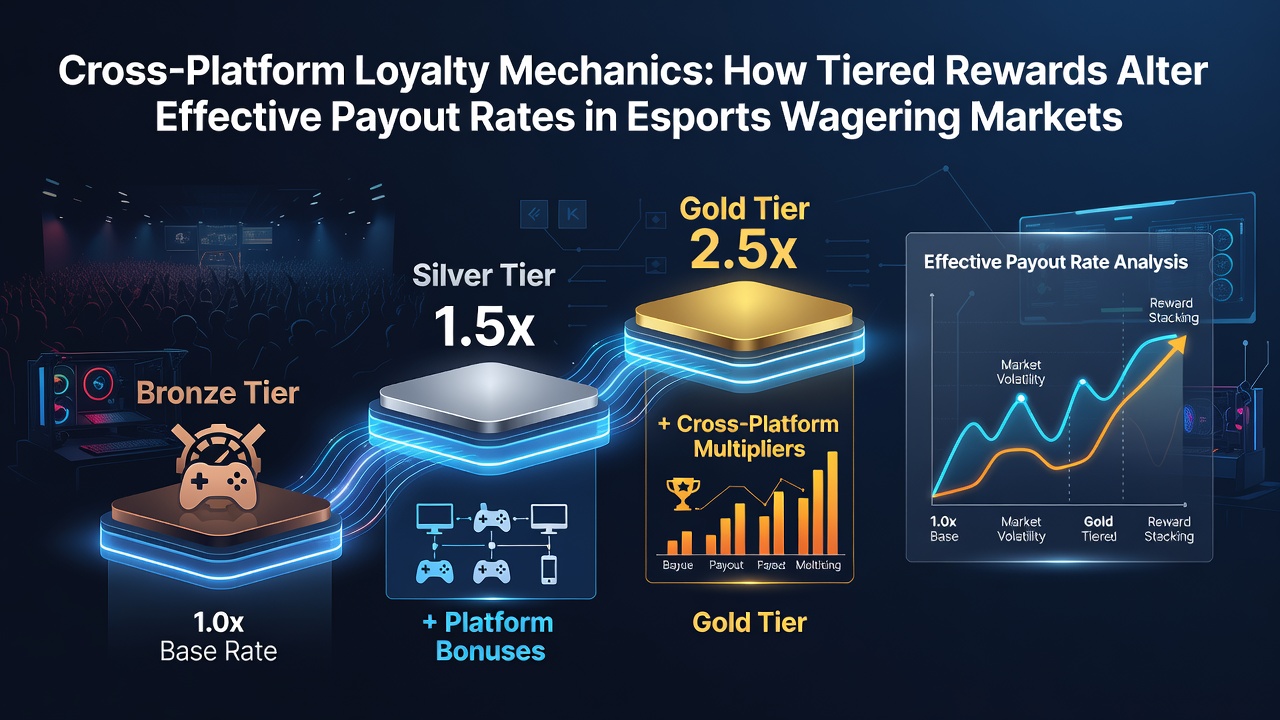
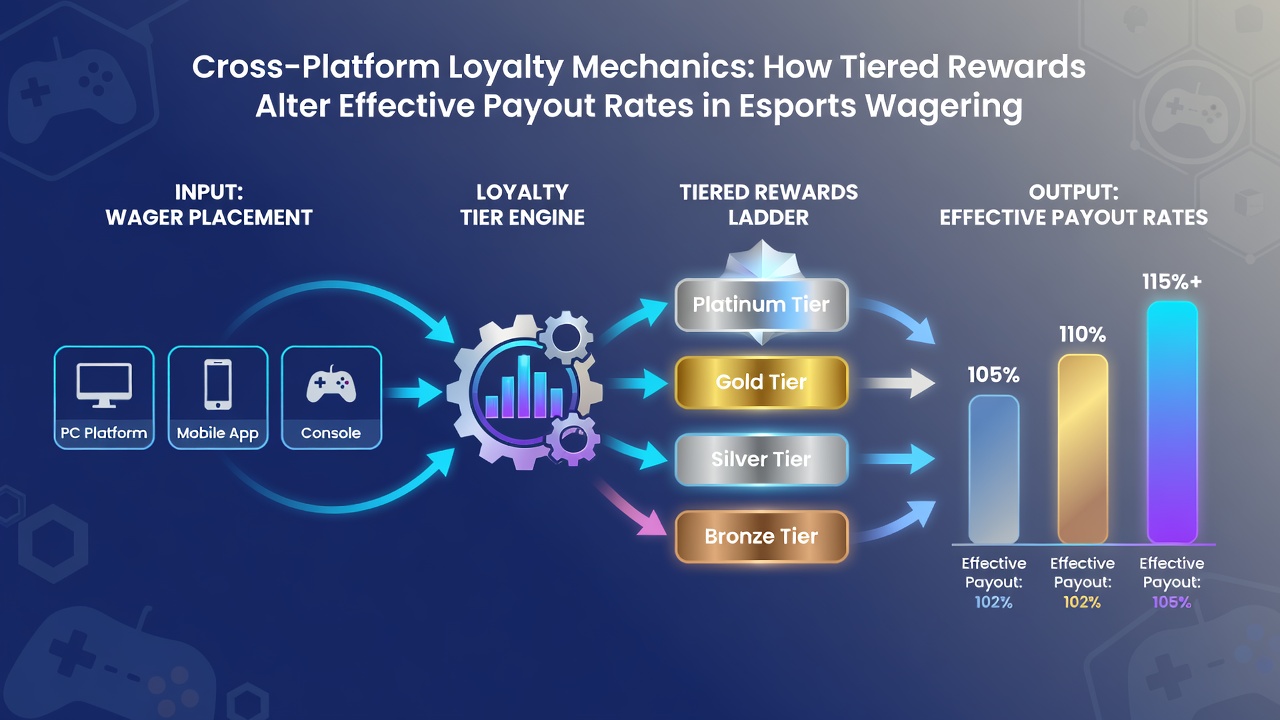
Esports wagering markets have incorporated cross-platform loyalty mechanics that tie player activity on one site to reward structures on others, and these systems directly modify the effective payout rates users encounter. Tiered programs assign levels such as bronze, silver, gold, and platinum based on cumulative wagers, time spent, or specific game participation, then deliver benefits including boosted odds, cashback percentages, and fee reductions that increase the net return compared to standard house edges. Data from industry tracking in August 2026 shows participation in these programs rising steadily as operators integrate APIs that allow points earned on one platform to contribute toward tier status on partnered sites.
Mechanics Behind Tiered Reward Structures
Operators calculate tier progression using formulas that factor in total handle, frequency of bets, and sometimes engagement with particular esports titles such as League of Legends or Counter-Strike, while cross-platform elements permit users to link accounts and transfer qualifying activity data. Higher tiers unlock cashback rates that range from 5 percent at entry levels to 15 percent or more at top tiers, effectively raising the return-to-player percentage by reducing the net loss on losing wagers. Researchers at the University of Nevada, Las Vegas documented these adjustments in a 2025 analysis, noting that a standard 4 percent house edge on a market can drop to an effective 2 percent or lower once cashback credits apply across linked platforms.
Cross-Platform Integration and Payout Adjustments
Cross-platform loyalty requires technical agreements between operators so that activity tracked on one wagering site feeds into a shared rewards ledger, allowing a user who reaches gold status through activity on a North American platform to receive equivalent benefits when placing bets on an affiliated European or Asian site. Effective payout rates shift because the cashback or odds boost applies after settlement, converting what would have been a fixed margin into a variable one dependent on tier status. Figures from the Nevada Gaming Control Board indicate that esports markets saw a 12 percent increase in reported effective returns during periods when loyalty redemptions peaked, particularly in markets tied to major tournaments.
Examples of Tier Impact on Specific Markets
Take one operator that offers a 3 percent cashback at silver tier for bets on Dota 2 matches, and users who qualify receive that credit applied to their account balance within 24 hours of settlement, raising the effective payout on a -110 moneyline from 47.6 percent implied probability to approximately 49 percent after the rebate. Another platform links its loyalty system with a partner site so that points from live in-play wagers transfer automatically, granting platinum members access to reduced juice lines that lower the vigorish from 4.5 percent to 2.8 percent on average. Observers note that these mechanics create measurable differences in long-term player outcomes because the rewards scale with volume, rewarding consistent participation across multiple titles and regions.
Data Trends Observed in Mid-2026
Tracking services reported in August 2026 that average effective payout rates in tiered esports programs improved by between 1.2 and 3.7 percentage points depending on the sport and tier reached, with the largest gains appearing in high-volume markets such as Valorant and Overwatch. Cross-platform features contributed to this shift because users could consolidate activity from several operators into one loyalty account, accelerating tier advancement and unlocking higher reward percentages sooner. Industry reports from the Esports Integrity Commission highlight that such integration also introduced new compliance requirements around data sharing and responsible play limits, yet the net effect on user returns remained positive when measured over extended sample periods.
Regional Variations in Implementation
Platforms operating under different regulatory frameworks apply tiered rewards differently, with some North American operators capping cashback at certain thresholds while Asian-based sites extend unlimited scaling for top-tier participants who maintain activity across multiple titles. European operators often tie rewards to specific responsible gaming metrics that slow tier progression for high-volume users, producing smaller but still measurable adjustments to effective payouts. A comparative study released by the Australian Institute of Criminology examined these regional differences and found consistent patterns where tier benefits offset between 20 and 40 percent of the base margin depending on the jurisdiction and program design.
Conclusion
Tiered loyalty mechanics in cross-platform esports wagering continue to alter effective payout rates by converting fixed operator margins into variable figures that depend on user status and activity consolidation. As integration between platforms expands, the documented improvements in net returns provide measurable outcomes tracked through regulatory filings and academic analyses, demonstrating how reward structures reshape the economic profile of participation across global markets.