Mapping Prize Pool Evolutions Across International Card Rooms: Fee Structures and Guarantee Adjustments
Written by Henrik Braun · Jul 27, 2026
Mapping Prize Pool Evolutions Across International Card Rooms: Fee Structures and Guarantee Adjustments
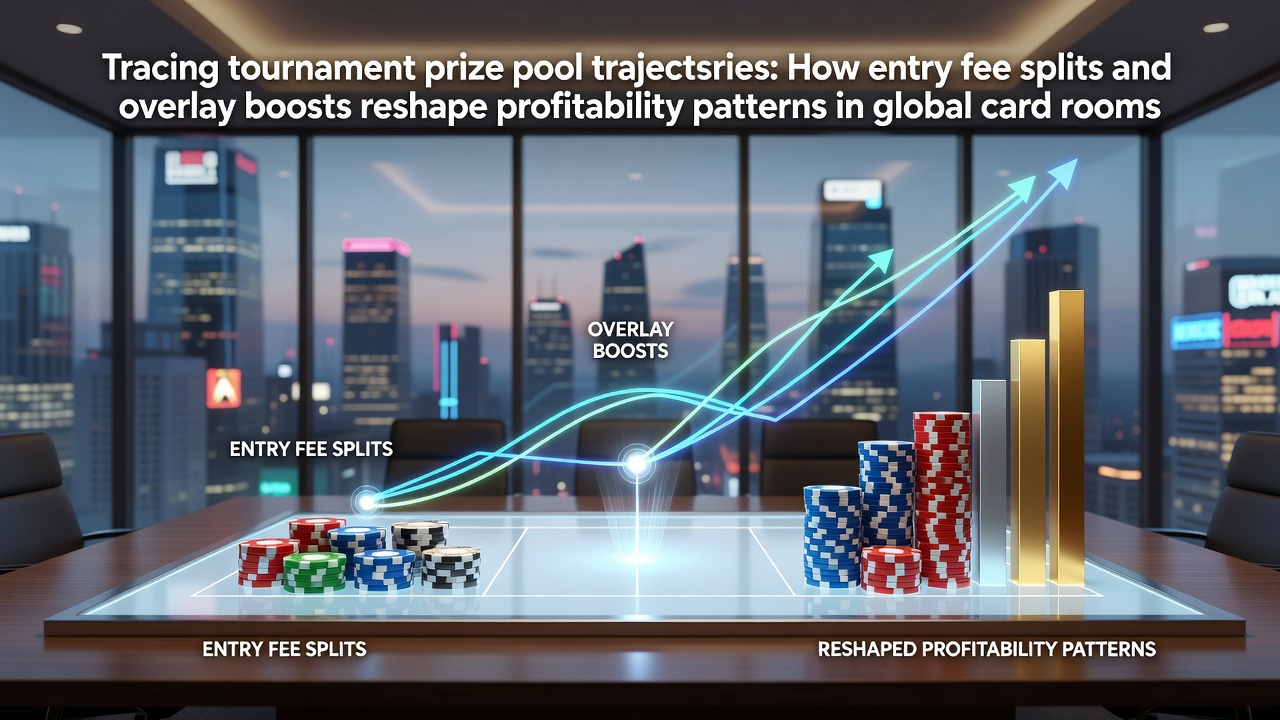
Global card rooms have tracked prize pool movements through detailed entry fee breakdowns that allocate portions to the guaranteed payout structure while reserving the remainder for operational costs; data compiled from major circuits shows that standard splits often direct 70 to 80 percent of the buy-in directly into the prize pool whereas the balance covers rake and administrative fees. Observers note that these allocations create predictable trajectories when participation meets or exceeds projections yet shift markedly when fields fall short and overlays come into play.
Entry Fee Allocation Patterns in Major Circuits
Research from the American Gaming Association indicates that North American poker rooms maintain consistent fee divisions across daily and weekly events with the majority of the buy-in feeding the pool and a smaller segment supporting house operations; similar structures appear in European and Asian venues though regional regulations influence the exact percentages. When a tournament advertises a fixed guarantee the card room commits to supplementing any shortfall which effectively increases the total distribution without raising player contributions.
Figures reveal that overlay occurrences rise during off-peak periods or in newer markets where player turnout remains variable and the room absorbs the difference to maintain advertised prize levels. This mechanism alters profitability patterns because players receive a larger effective return relative to their entry cost when the overlay activates.
Overlay Effects on Player Returns
Studies from the University of Nevada Reno Gaming Research Center demonstrate that overlay boosts occur in approximately 15 to 25 percent of mid-stakes tournaments depending on the region and time of year with larger guarantees more prone to shortfalls during summer lulls. In July 2026 several Las Vegas properties reported overlay totals exceeding previous seasonal averages after field sizes dropped amid competing entertainment options and travel disruptions.
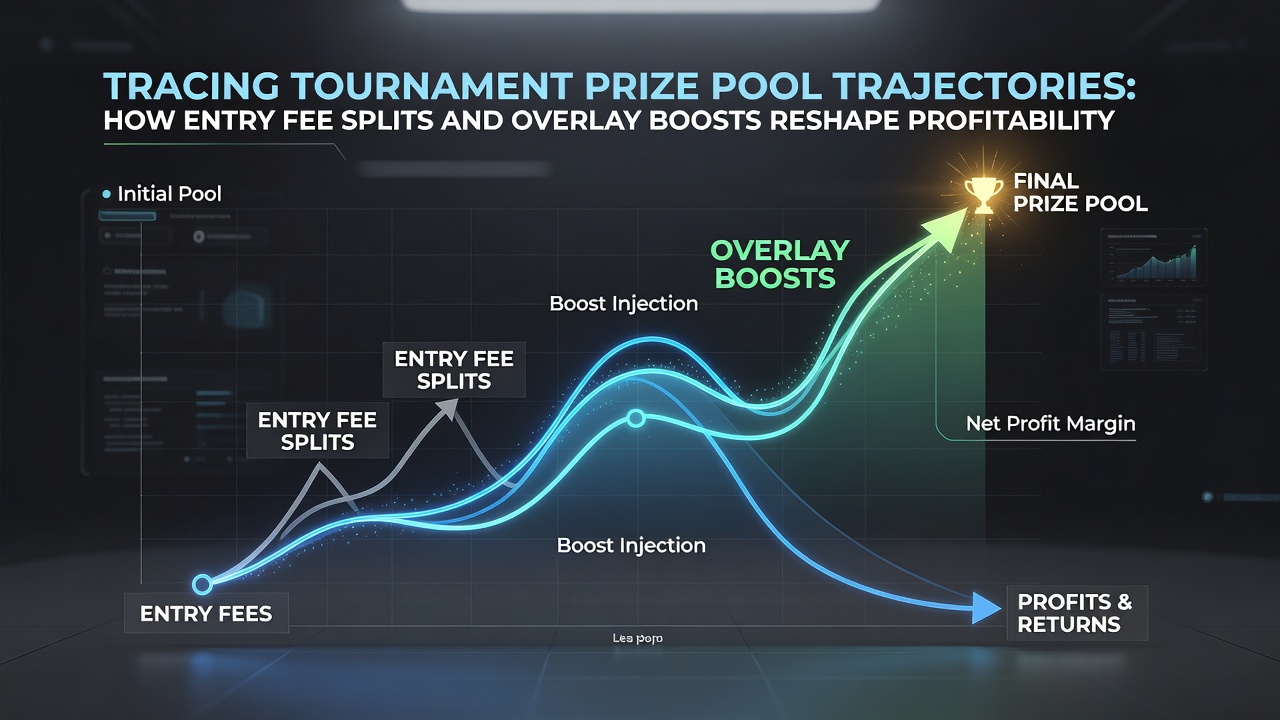
These supplements reshape the return on investment calculation because the house contribution expands the pool without additional player expense which in turn raises the average payout per entrant. Card rooms in Australia and Canada apply comparable guarantee policies yet adjust overlay caps based on licensing requirements that limit the frequency and size of such subsidies.
Regional Variations in Fee Splits and Guarantees
European operators often publish transparent breakdowns that separate the prize pool contribution from service fees while North American venues embed these details in tournament terms; analysts at the Canadian Gaming Association report that fee splits remain stable across provinces yet overlay frequency varies with local competition and marketing cycles. Asian card rooms follow distinct models where high-roller events feature lower percentage fees to attract larger fields which reduces overlay risk but compresses the prize pool percentage relative to buy-in size.
Participation data collected through 2025 and into mid-2026 shows that rooms offering progressive guarantees experience fewer overlay events because incremental prize increases draw additional players and stabilize field sizes. When overlays do occur the effective rake percentage declines which improves the overall value proposition for participants who complete the event.
Profitability Trajectory Shifts
Longitudinal tracking by industry analysts illustrates that tournaments with frequent overlays produce flatter profitability curves for skilled players because the boosted pools distribute more evenly across finishing positions; conversely events without overlays maintain steeper payout structures that reward deeper runs more substantially. Card rooms adjust guarantee levels seasonally to balance player acquisition costs against overlay exposure which creates measurable patterns in monthly and quarterly prize pool totals.
Those who study these trajectories observe that entry fee splits remain the primary driver of baseline profitability while overlay frequency introduces variability that can either enhance or dilute returns depending on the number of entrants. Regulatory frameworks in multiple jurisdictions require disclosure of guarantee terms which enables participants to calculate potential overlay impacts before registration.
Conclusion
Global card rooms continue to refine entry fee allocations and guarantee policies as participation patterns evolve through 2026 with overlay mechanisms serving as key tools for maintaining competitive prize structures. Data from regulatory bodies and academic research centers confirm that these adjustments directly influence profitability trajectories across different regions and tournament formats while transparent reporting helps players assess value on a consistent basis.