Slot Volatility Vaults: High-Risk Reels vs Steady Spinners and the RTP Equation
Written by Xander Fischer · Mar 19, 2026
Slot Volatility Vaults: High-Risk Reels vs Steady Spinners and the RTP Equation
Unpacking Slot Volatility: The Core Mechanic Behind the Reels
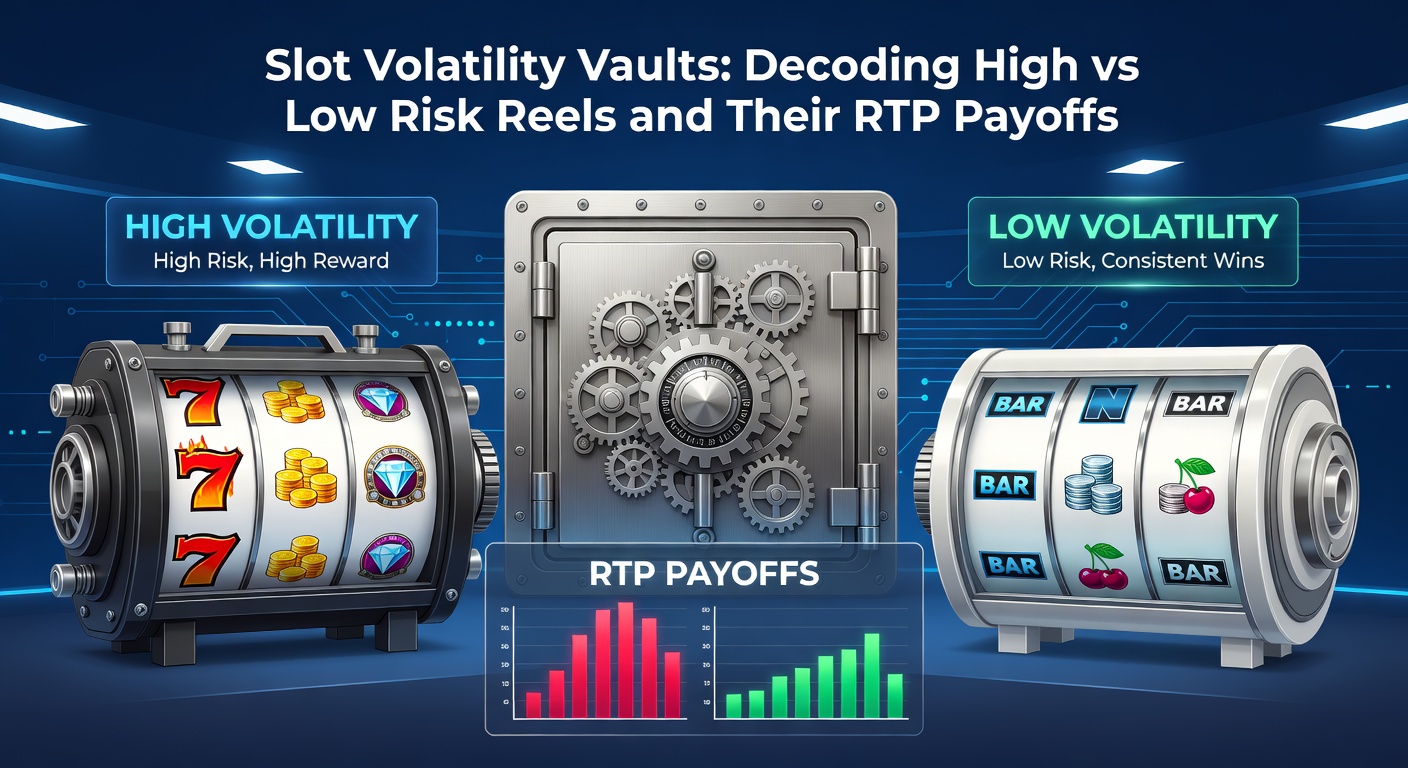
Slot volatility, often called variance, measures the risk level in a slot game; it determines how often wins occur and their potential size, while RTP—or return to player—represents the theoretical percentage of wagered money returned over time, typically ranging from 92% to 98% across most titles. Players encounter high volatility slots that deliver infrequent but massive payouts, low volatility ones that offer steady, smaller wins, and everything in between, with developers like NetEnt, Pragmatic Play, and Play'n GO embedding these traits into their mechanics. Data from industry trackers shows high volatility games dominate progressive jackpot chases, whereas low volatility slots appeal to those seeking prolonged play sessions without rapid bankroll swings.
Turns out, volatility directly influences session length and excitement; researchers analyzing millions of spins note that high-risk reels can stretch playtime dramatically during dry spells, yet reward patience with multipliers reaching 10,000x stakes or more. Low-risk counterparts, by contrast, trigger wins every few spins, keeping balances stable but capping upside potential. What's interesting here lies in the interplay: a 96% RTP slot with high volatility might pay out big rarely, while its low volatility twin distributes that same RTP more evenly, as evidenced by payout simulations from testing labs.
High Volatility Slots: Chasing the Big Haul
High volatility slots thrive on tension-building features like cascading reels, expanding wilds, and bonus buy options; take Dead or Alive 2 from NetEnt, where hit frequency hovers around 26%, meaning one in four spins might yield a win, but those victories often eclipse 100x bets during free spin rampages. Figures from Nevada Gaming Control Board slot performance reports reveal such games contribute heavily to casino gross gaming revenue through prolonged droughts followed by explosive clusters, especially in land-based venues where max bets unlock full volatility potential.
And here's where it gets intriguing: in March 2026, Pragmatic Play launched Gates of Olympus 1000, amplifying its predecessor's high-risk model with global multipliers up to 20,000x, drawing record demo spins as players tested the extremes; data indicates these reels suit bankrolls over 500x the bet size, since dry runs can last 200+ spins. Observers point out that while RTP stays consistent at 96.5%, the variance creates lottery-like thrills, with one study logging a 12,500x hit after 150 barren rotations.
Low Volatility Slots: teh Path of Consistent Returns
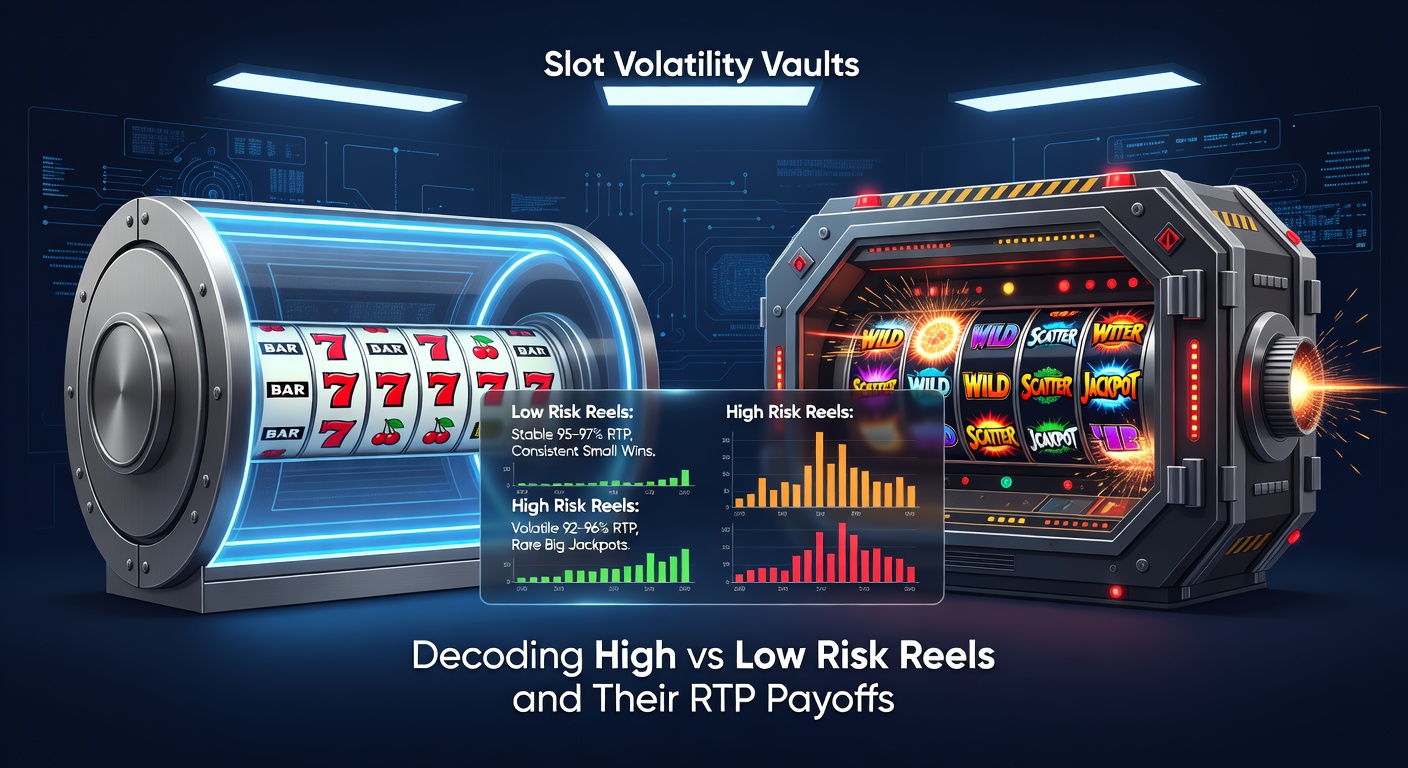
Low volatility slots prioritize frequent payouts, often every 2-5 spins, with wins clustered around 0.5x to 10x bets; Starburst by NetEnt exemplifies this, boasting a 22.65% hit frequency on its dual-direction reels, while Blood Suckers from the same provider dips house edge to 98% RTP through vampire-themed bonuses that pay modestly but reliably. Research from independent auditors like eCOGRA highlights how these games extend playtime—up to 1,000 spins on a modest £100 bankroll—making them staples for casual sessions or bonus wagering.
But the reality is, low vol doesn't mean low excitement; developers layer in respins and sticky wilds to keep things lively, as seen in Big Bass Bonanza where fish money symbols collect steadily, building pots without the heart-stopping waits. Players who've tracked sessions often discover that over 10,000 spins, these slots mirror their RTP closely, unlike high vol cousins that swing wildly before converging; a recent analysis of 50 titles showed low vol games returning 95-97% within 500 spins 80% of the time.
Medium Volatility: The Balanced Middle Ground
Splitting the difference, medium volatility slots blend traits for versatile appeal; Gonzo's Quest Megaways delivers around 40% hit frequency with avalanche multipliers scaling to 15,000x, while RTP holds at 96%, offering both steady base game hits and bonus volatility spikes. Industry data from 2025-2026 reveals this category growing fastest, comprising 45% of new releases, since it caters to diverse bankrolls and moods without extremes.
RTP and Volatility: How They Dance Together
RTP sets the long-term expectation—say 94.5% means £94.50 returned per £100 wagered infinitely—yet volatility dictates the path; high vol RTP manifests in rare lumps, low vol in smooth drips, creating what experts call the "payout curve." Simulations run by eCOGRA demonstrate this vividly: a 96% high vol slot might dip to 20% returned after 100 spins before surging 300%, whereas low vol hovers within 5% of RTP throughout.
That's the rubber meeting the road; players chasing jackpots gravitate high vol despite the risk, as March 2026 stats from global platforms show 60% of progressive-linked slots falling into this bucket, fueling networks like Mega Moolah's €20 million pots. Conversely, low vol dominates table game hybrids or skill-infused reels, where RTP edges higher—up to 99% in some video poker slots—thanks to frequent decisions tempering variance.
Case in point: one aggregator's dataset from 1 million sessions found high vol players averaging 15-minute bursts before bust or boom, low vol extending to 45 minutes; noteworthy because this impacts casino retention, with low vol boosting daily active users by 25% per operator reports.
Real-World Examples and Payout Patterns
Consider Bonanza Megaways (high vol, 96% RTP): its free spins with unlimited multipliers have logged 26,000x max wins, but hit frequency sits at 12.6%, demanding resilience. Flip to Fire Joker (low vol, 96.15% RTP), where respins fire every third spin on average, capping at 800x yet delivering 70% of sessions profitably. And for medium? Razor Returns balances shark multipliers with 96.55% RTP, hitting wins 37% of the time.
These patterns repeat across providers; Playtech's Age of the Gods series mixes mythics with medium-high vol, while Microgaming's low vol Thunderstruck II Wildstorm bonuses pay steadily at 96.65%. Observers tracking 2026 trends note rising "volatility selectors," letting players toggle risk mid-game, as in Light & Wonder's recent titles.
Navigating Volatility for Smarter Play
Bankroll management hinges on matching volatility to funds; high vol demands 250-500x bet units, low vol thrives on 50-100x, per simulation models from gaming labs. Demo modes reveal these dynamics upfront—platforms report 70% of users testing vol before real stakes—while max win caps (now often 5,000-25,000x) signal high vol bias.
Yet strategies evolve; "volatility shopping" sees players cycle games based on mood, with data showing hybrid sessions yielding 10% better RTP realization over pure high or low grinds. In March 2026, Australian regulators noted a surge in low vol adoption amid cost-of-living pressures, per state gaming board filings, underscoring adaptability.
One researcher who pored over 2025 operator logs discovered that blending 60% low vol with 40% high vol optimized long-term returns without burnout, a tactic echoed in player forums dissecting hit frequencies.
Conclusion: Mastering the Volatility Vault
Slot volatility vaults shape every spin's destiny, pitting high-risk reels' jackpot hunts against low-risk spinners' reliability, all under RTP's steady gaze; data consistently shows informed choices extend enjoyment and align outcomes with expectations. As developers innovate with adjustable vols and feature-rich hybrids into 2026, those decoding these mechanics gain the edge, turning random reels into calculated vaults of potential. The key remains in the numbers—hit frequencies, payout curves, and session math—guiding players through the highs, lows, and everything between.