UK Government and Gambling Commission Target Illegal Bookmakers After Black Market Access Exposé
Written by Tina Schwarz · Apr 8, 2026
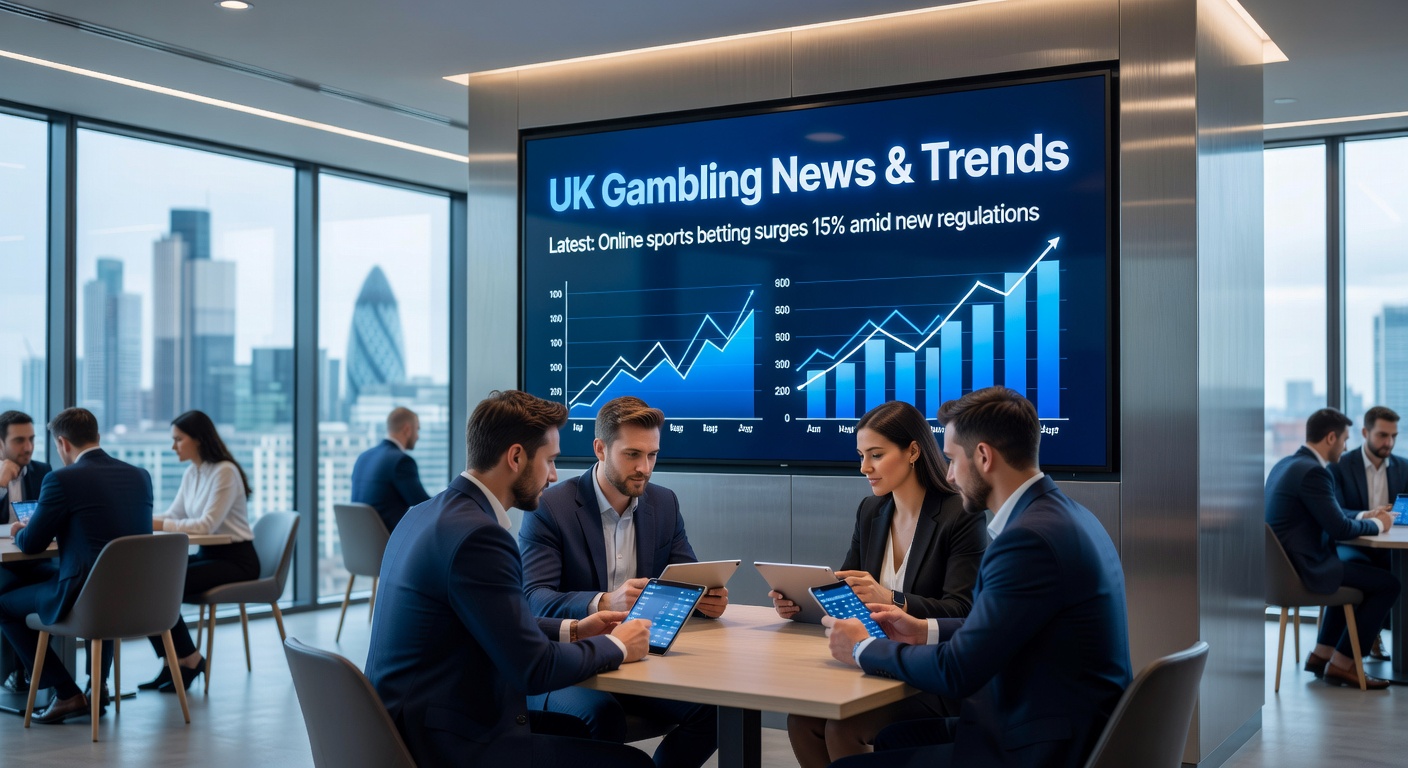
UK Government and Gambling Commission Target Illegal Bookmakers After Black Market Access Exposé
Observers note how the UK's battle against unregulated gambling operators gained fresh momentum when a government adviser's investigation spotlighted the seamless pathways social media provides to black market bookmakers; Alex Wood's probe revealed not just the simplicity of reaching these sites but also the roles influencers, AI tools, and payment gateways play in evading safeguards, prompting the government alongside the Gambling Commission to pledge intensified efforts against this growing threat.
The Investigation That Exposed Hidden Pathways
Alex Wood, acting as a key government adviser on gambling matters, undertook a detailed probe that demonstrated precisely how effortlessly individuals navigate to unlicensed bookmakers using fabricated identities; this work uncovered a web where social media platforms serve as gateways, influencers act as guides, and technological aids like Meta AI assist in the process, all while global payment systems overlook built-in protections designed to block such transactions.
What's interesting here is the step-by-step accessibility Wood highlighted: users encounter promotions on platforms like Instagram or TikTok, follow links pushed by high-profile influencers who tout superior odds or bonuses unavailable from licensed operators, then employ simple fake details to register; Meta AI, in one notable example from the findings, even helped generate convincing pseudonyms or account setups, making the barrier to entry feel nonexistent.
And as the report outlined, once inside these black market realms, bettors place wagers without the oversight that UK-licensed firms must provide, exposing them to risks like manipulated odds, sudden account closures after wins, or complete loss of funds with no recourse; data from the investigation, shared via Racing Post coverage, painted a picture of an underground economy thriving precisely because everyday hurdles for legitimate betting seem burdensome by comparison.
Take the case of one simulated journey Wood documented, where a test account bypassed age verification and financial checks in under five minutes, landing on an offshore site offering bets on UK races with payouts that appeared inflated yet carried hidden catches; such revelations have observers pointing to a systemic vulnerability, one where tech's convenience collides with regulatory gaps.
Social Media and Influencers as Front Doors to the Black Market
Platforms have long hosted gambling content, but Wood's findings zeroed in on how influencers now direct traffic en masse to unregulated domains, often embedding affiliate links that earn them commissions on every deposit; these promotions, slickly produced with promises of risk-free bets or lightning-fast withdrawals, lure users who might otherwise stick to familiar licensed apps.
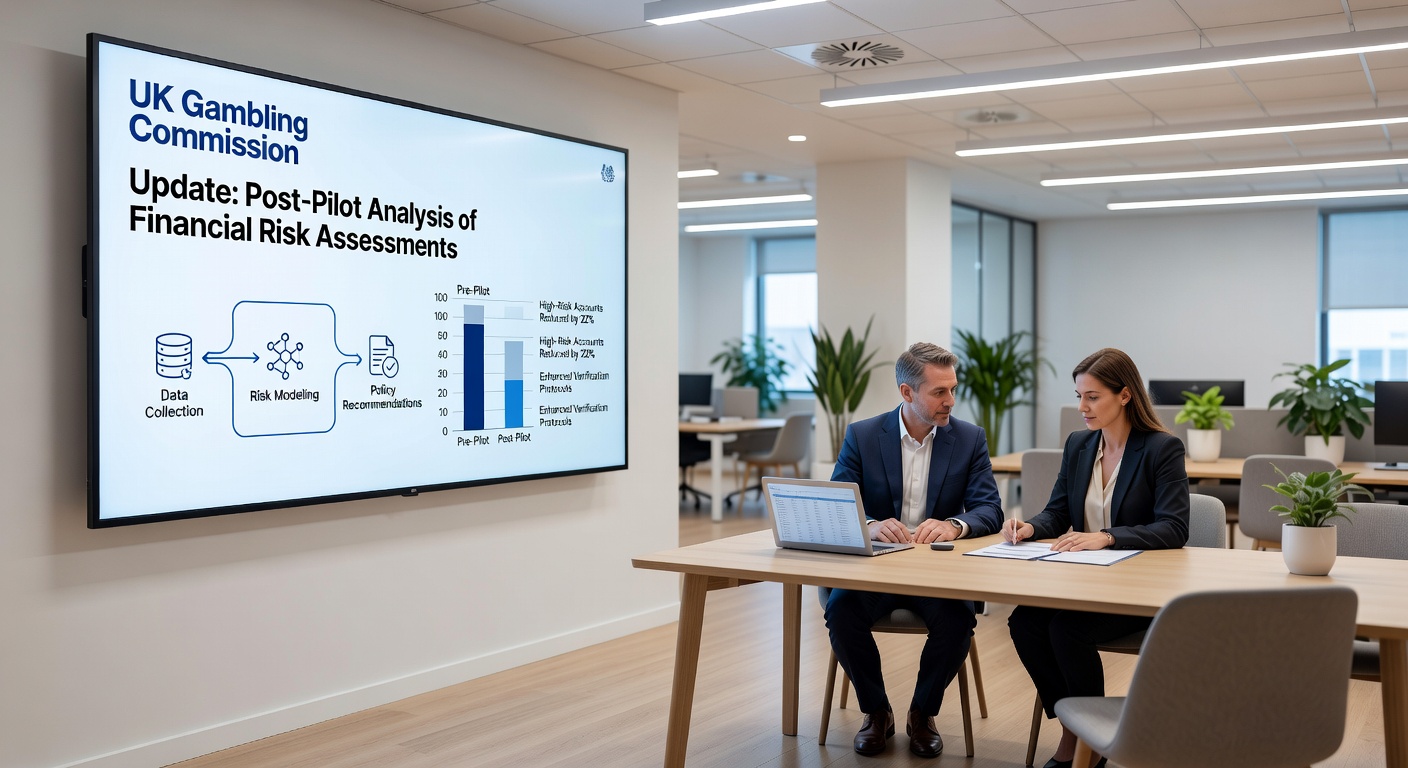
But here's the thing: while social media companies enforce some ad policies, organic posts and stories slip through, allowing influencers to build trust-based funnels that lead straight to black market operators based in jurisdictions like Curacao or Malta's less-regulated corners; researchers who've analyzed similar patterns note that these tactics exploit the viral nature of short-form video, where a single clip can rack up thousands of clicks before moderation kicks in.
Wood's team observed instances where UK-focused events, such as Premier League matches or Cheltenham Festival races, featured heavily in these pitches, with influencers claiming black market sites offer better prices because they dodge taxes and compliance costs; yet the reality, as evidence suggests, involves higher long-term dangers, including data breaches or rigged outcomes that licensed firms are legally barred from engineering.
Now, fast-forward to April 2026, and platforms face mounting pressure to audit these flows more aggressively, although Wood's probe underscores how current tools like algorithmic detection often lag behind savvy creators who rotate accounts or use coded language to evade bans.
Tech Aids and Payment Loopholes Fuel the Fire
Beyond influencers, the investigation laid bare how AI chatbots contribute unwittingly—or perhaps not—by assisting with anonymity setups; Meta AI, for instance, responded to queries about creating disposable emails or virtual phone numbers tailored for betting sign-ups, tools that directly enable fake identity creation essential for black market access.
And payment systems? Global processors like certain crypto wallets or e-wallets based overseas process deposits without triggering UK fraud alerts, allowing funds to flow seamlessly despite operator blacklists; studies of transaction patterns reveal that these gateways prioritize speed over scrutiny, which suits illicit sites aiming to onboard users before second thoughts arise.
People who've examined the mechanics often discover that a combination of VPNs to mask locations, AI-generated docs for verification, and these payment bypasses creates a near-foolproof entry, one that Wood's simulated tests confirmed works for novices as easily as pros; it's noteworthy that while licensed bookmakers integrate real-time checks tied to credit agencies, black market alternatives rely on self-reported data, leaving users exposed when disputes arise.
Government and Commission's Renewed Offensive
In direct response to Wood's findings, the UK government alongside the Gambling Commission announced commitments to bolster enforcement, targeting not only the operators but the enablers like social platforms and payment firms; officials emphasized collaboration with tech giants to deploy better detection, faster site blocks via internet service providers, and stricter penalties for influencers caught promoting unlicensed action.
So turns out, this pledge builds on existing tools like the white-list system that designates approved domains, yet ramps up proactive sweeps using data analytics to trace illicit traffic; the Commission, in statements following the probe, highlighted plans to expand resources for monitoring social media referrals, ensuring that black market ads face swift takedowns.
Experts who've tracked regulatory evolution point out that such steps align with broader digital economy rules, where platforms could soon bear liability for hosted illegal content much like they do for other harms; by April 2026, early indicators suggest these efforts might include AI-driven surveillance of betting-related queries on chatbots, closing loops Wood's work illuminated.
Bookmakers Sound Alarm on Policy Backlash
While authorities gear up, licensed bookmakers warn that incoming measures like enhanced affordability checks—requiring proof of sustainable betting levels—and recent remote gambling duty hikes from 21% to 25% could inadvertently swell black market ranks; industry voices argue these frictions, meant to protect consumers, instead push price-sensitive punters toward unregulated havens promising no limits or taxes.
Figures from bookmaker associations indicate that already some segments, particularly recreational bettors on lower budgets, experiment with offshore options when faced with stake caps or financial scrutiny; one report cited in the coverage notes how similar past changes in Australia correlated with a 15% uptick in illegal site usage, a pattern UK stakeholders fear repeating.
That said, the sector pushes for balanced reforms, advocating frictionless checks that don't alienate compliant customers while underscoring their own investments in safer gambling tools like deposit limits and self-exclusion; observers note the irony, where efforts to curb excess might amplify the very threats Wood exposed if not calibrated carefully.
Implications for Bettors and the Industry Landscape
For everyday punters, the exposé serves as a stark reminder of black market pitfalls: wins evaporate without payout guarantees, personal data fuels identity theft rings, and addiction support vanishes amid lax responsible gambling features; those who've fallen into these traps often share tales of chasing better odds only to face frozen balances or outright scams.
Industry-wide, the dynamics shift as licensed operators adapt to tighter rules, investing in competitive edges like superior streaming or loyalty perks to retain users; yet with black market operators unburdened by compliance, the playing field tilts, prompting calls for international cooperation to choke offshore funding streams.
It's interesting how Wood's single probe has catalyzed multi-front action, from tech accountability to policy tweaks, setting the stage for a more fortified UK gambling ecosystem even as April 2026 brings phased rollouts of affordability protocols that could test these commitments.
Wrapping Up the Black Market Pushback
The UK government's alliance with the Gambling Commission marks a pivotal escalation in tackling illegal bookmakers, directly fueled by Alex Wood's revelations on social media funnels, influencer tactics, AI assists, and payment evasions; bookmakers' cautions about affordability checks and tax burdens add layers to the challenge, highlighting tensions between protection and accessibility.
Ultimately, as enforcement ramps up through April 2026 and beyond, the focus sharpens on sealing digital cracks while preserving a regulated market that safeguards users; stakeholders watch closely, knowing the ball's now in regulators' court to turn pledges into lasting barriers against the black market's allure.